





Summary: To secure your investment and make data-driven, risk-free purchasing decisions, here are the 7 core evaluation factors to consider when selecting a professional crusher manufacturer....

Selecting a reliable crusher manufacturer is the most critical decision for any quarry, mining, construction, or aggregate production project. Investing in heavy crushing machinery is a major capital commitment that directly dictates your long-term profitability.
However, many operators prioritize upfront equipment prices and overlook long-term operational stability and lifecycle costs, resulting in frequent downtime, soaring wear-part expenses, and reduced project profitability. The global market is flooded with equipment suppliers, ranging from small assembly factories and middleman trading companies to massive industrial conglomerates. Not all of them can deliver consistent quality or global operational adaptability.
To secure your investment and make data-driven, risk-free purchasing decisions, here are the 7 core evaluation factors to consider when selecting a professional crusher manufacturer.
1. Professional Material Adaptation & Customized Design Capability
- What to look for: Does the supplier offer a generic, one-size-fits-all machine, or do they provide tailored process solutions based on actual material characteristics and site conditions?
- Why it matters: Different raw materials—including hard basalt, high-silica river pebbles, granite, and gold ore—have distinct compressive strength, abrasiveness, and moisture levels. Top-tier manufacturers conduct professional material analysis, calculating the Bond Work Index and abrasion degree to design targeted crushing flowsheets. This customized design (including staged crushing modes, cavity type selection, and wear-part material matching) effectively solves common operational pain points such as screen clogging, rapid wear, low output, and poor aggregate cubicity.
2. Core R&D Strength and Independent Manufacturing Capacity
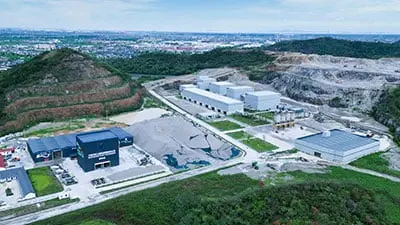
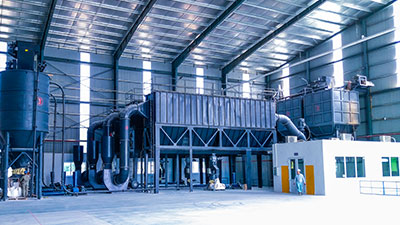
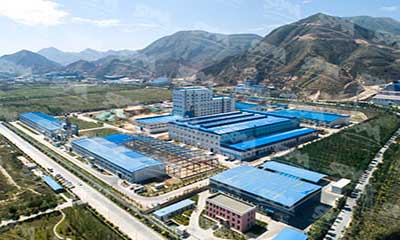
- What to look for: Expansive, modern production bases equipped with precision CNC machining centers, automated welding robots, and a complete, independent in-house production chain.
- Why it matters: Technical research and independent manufacturing capacity determine the fundamental quality and stability of the equipment. Excellent manufacturers own dedicated R&D teams and multiple technical patents covering crushing cavity optimization, hydraulic protection, intelligent control, and energy-saving structures. Unlike small assembly factories that rely on simplified processes and inferior steel , a premier manufacturer strictly controls every step from raw material cutting and heat treatment to finished product testing , providing standardized production reports and quality inspection certificates.
3. Product Quality, Wear Resistance, and Operational Stability
- What to look for: Heavy-duty structural engineering utilizing high-strength steel frames, advanced sealed lubrication systems, and premium wear-resistant alloys.
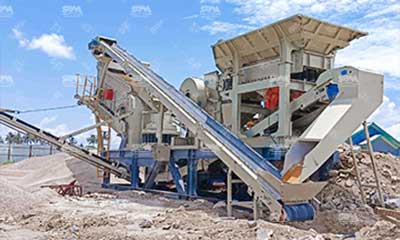
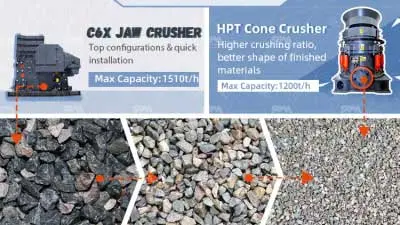
- Why it matters: In mining and aggregate projects, equipment durability directly determines your daily production efficiency and maintenance budget. High-quality crushers feature components like jaw plates and cone crusher mantles cast from superior high-manganese or high-chromium alloys, which are critical for processing high-abrasion silica materials and hard rock. Choosing equipment built to strict structural standards greatly minimizes vibration, noise, and material blockage, drastically reducing unplanned downtime.
4. Energy Efficiency and Full-Cycle Cost Performance (TCO)
- What to look for: A clear verification of the equipment's Power Consumption per Ton (kWh/t) and long-term operating costs.
- Why it matters: The initial purchase price of a crusher is only a small fraction of its Total Cost of Ownership (TCO) throughout its lifecycle. Low-priced, substandard equipment often comes with hidden defects such as high energy consumption, rapid wear, and low production efficiency, leading to exorbitant long-term operating expenses (OPEX). Excellent manufacturers focus on overall cost-performance, integrating energy-saving designs and high-throughput crushing chambers. Although the initial investment may be slightly higher, it saves a massive amount of electricity, maintenance fees, and downtime losses over time, yielding a far higher long-term Return on Investment (ROI).
5. Mature Global Project Experience and Industry Reputation
- What to look for: A proven international track record with large-scale operational cases across diverse global markets.
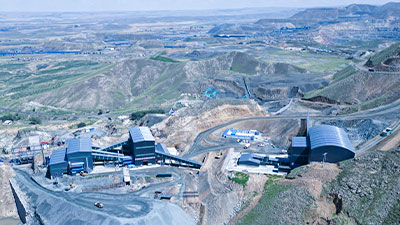
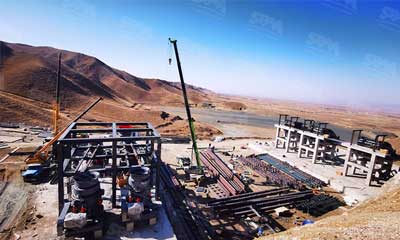
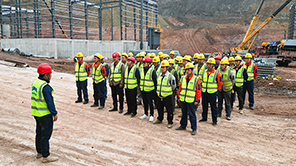
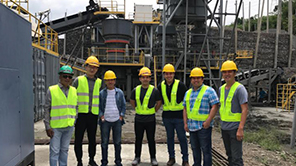
- Why it matters: A manufacturer’s global project footprint is the most intuitive proof of its engineering adaptability. Experienced suppliers are highly proficient in configuring plants for complex local environments, including tropical high-humidity climates, remote off-grid sites, and harsh, dusty mining zones. Buyers can confidently mitigate project risks by verifying real-world case studies, customer reviews, and long-term cooperative references within quarries, mines, and recycling projects worldwide.
6. Comprehensive After-Sales Service and Local Support System
- What to look for: A complete global service system offering one-stop lifecycle support, local service channels, and rapid spare parts availability.
- Why it matters: Crushing equipment belongs to large-scale industrial machinery whose continuous operation relies heavily on professional after-sales care. Low-cost manufacturers often disappear after a single equipment sale, leaving buyers stranded with difficult maintenance and delayed parts supply. Professional manufacturers deliver comprehensive support, including pre-sales site planning, process flow design, professional equipment installation, operator training, and regular return visits. Their fast remote troubleshooting and well-stocked regional spare parts warehouses ensure high plant uptime and peace of mind.
7. Standardized Certification and Global Compliance Capability
- What to look for: Strict compliance with international production standards, holding verified ISO quality management system and CE safety certifications.
- Why it matters: For cross-border procurement and formal project bidding, manufacturer qualification and product compliance are essential access indicators. Powerful, globally compliant manufacturers are deeply familiar with international export procedures, container packaging standards, and cross-border logistics rules. This expertise prevents customs clearance delays, avoids product damage during transit, and guarantees that heavy machinery is smoothly delivered, installed, and put into production on schedule.
The SBM Standard
When evaluating these seven critical metrics, SBM stands out as a global leader in heavy-duty material processing. With decades of manufacturing expertise, expansive modern industrial bases, and a relentless commitment to R&D, SBM engineers highly efficient, customized crushing lines designed to conquer the toughest geological environments and extreme climates.
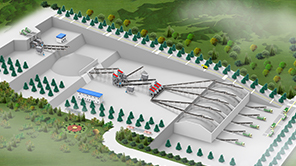
From initial Bond Work Index analysis and custom 3D layout designs to our robust global after-sales network and complete EPC turnkey solutions, SBM is the trusted, single point of accountability you need to guarantee maximum uptime, minimized OPEX, and rock-solid profitability for your project.
Planning to select a qualified manufacturer for your next crushing project?
Contact SBM's regional technical engineering team today to receive a customized plant layout, professional material testing advice, and a comprehensive full-cycle cost performance analysis.


 Get Solution
 Send Message